
As first responders across the country face rising levels of stress, trauma exposure, and burnout, a national effort to advance mental wellness is coming to the University of Iowa —through a joint initiative with the First Responder Center for Excellence (FRCE).
From May 31 to June 3, fire service, EMS and law enforcement professionals from across the United States will gather for the 2026 Mental Wellness Symposium at the Iowa Memorial Union. The four-day event will bring together leading experts, fire service professionals, and mental health specialists to discuss mental wellness.
During the symposium, participants will also learn practical, evidence-based strategies to address mental health challenges, reduce stigma, and strengthen resilience in high-stress professions.
The symposium reflects a partnership between FRCE and Iowa, grounded in a shared commitment to raising awareness and advancing evidence-based solutions for first responders while promoting wellness and mental health.
The collaboration began when FRCE Board of Directors member John Miclot, a UI graduate, recognized the university’s leadership and expertise in mental health education—particularly through the College of Education’s Scanlan Center for School Mental Health. Before his passing, he initiated a collaboration with the college that has continued and expanded.
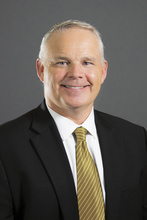
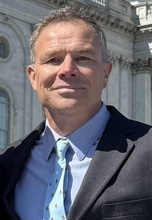
College of Education Dean Daniel Clay, and Baker Teacher Leader Center Director Kari Vogelgesang, worked with FRCE Managing Director Frank Leeb, and FRCE Program Manager for Behavioral Health Dena Ali, to create professional development modules focused on wellness and mental health for first responders.
“The needs for continuing professional development of first responders were similar to that of educators,” says Clay, “so we collaborated to develop modules on wellness and mental health for use by first responders.”
That work revealed strong parallels between classrooms and emergency response environments, where professionals routinely face stress and emotional demands. Together, the partners began adapting those approaches into online, self-paced training modules tailored to first responders, helping expand access to mental health and wellness resources nationwide, which laid the groundwork for bringing a national symposium to campus.
“This partnership represents exactly how we move the fire service forward, by connecting cutting-edge research with the real-world experiences of first responders,” says FRCE Managing Director Frank Leeb, who previously served as a Deputy Assistant Chief in the Fire Department of New York.
He adds that by working together, the UI and the FRCE are creating practical, evidence-based solutions that raise awareness and give first responders the tools they need to navigate the challenges of the job and protect their long-term well-being.
“We are deeply grateful to the University of Iowa for its partnership and its commitment, and dedication to protecting the health, safety, and resilience of first responders nationwide,” Leeb adds, “It reflects a belief we hold firmly at the First Responder Center for Excellence: we are stronger together.”
The college’s role in the initiative reflects its broader strengths in mental and behavioral health, spanning research, clinical insight, and scalable training. Clay has helped guide that work, bringing both academic leadership and firsthand experience in law enforcement as a former police officer. He has also contributed to scholarship on stress management in law enforcement, offering perspective on the unique pressures faced by first responders, co-authoring a book on this issue.
“This partnership reflects what higher education can and should do — bring research, training and community engagement together to address complex societal challenges,” says Clay. “First responders serve on the front lines of crisis every day. By combining the University of Iowa’s expertise in mental health, trauma and resilience with the lived experience of these professionals, together with FRCE, we can help develop solutions that are both evidence-based and immediately actionable.”
The urgency of that work is clear. First responders routinely encounter life-threatening situations and repeated exposure to trauma, often compounded by long hours and disrupted sleep — factors that can contribute to chronic stress and long-term mental health challenges.
“First responders are often faced with stressful and life-threatening situations, which are inherently stressful and can be traumatic,” Clay says. “Combine this stress with disrupted sleep, and you have the ingredients for chronic stress. Developing awareness, skills, and good sleep and nutrition habits can have a substantial positive impact on mental wellness. As helpers themselves, first responders frequently fail to seek help when they need it.”
National research shows first responders face elevated risks for behavioral health challenges — including PTSD, depression, and suicide — driven by repeated exposure to trauma and chronic stress.
Throughout the symposium, participants will engage in sessions on topics such as suicide prevention, moral injury, peer-support models and the impact of stress on relationships and job performance. The emphasis is on practical application, ensuring attendees leave with tools they can implement within their own departments and communities.
Other highlights include a welcome reception with remarks from UI dignitaries at Kinnick Stadium, visits to local attractions, and an optional Field of Dreams tour to Dyersville, Iowa.
For more information, visit the 2026 Mental Wellness Symposium website.
For both the First Responder Center for Excellence and the university, the symposium represents more than a single event. It is part of a broader effort to build sustainable systems of support for those who serve in high-risk, high-stress roles — and to extend proven mental health strategies into new fields, Clay notes.
“We’re proud that the College of Education’s groundbreaking work in mental health is making a positive impact beyond schools,” Clay says, “and we’re grateful for this valuable partnership with the First Responder Center for Excellence.”