

- Build sustainable and egalitarian relationships with community partners
- Provide accessible and high-quality psychological services to underinsured and underserved communities
- Advocate for the mental health needs and dignity of rural Iowans
- Train students in culturally competent telepsychology service delivery
- Engage measurement-base care and ongoing internal monitoring and improvement
Telepsychology Training Clinic
The University of Iowa’s Telepsychology Training Clinic (TPTC) offers free, short-term (5-10 sessions) counseling to Iowans who may have limited access to mental health care. Referrals to community resources can be provided if long-term care is indicated.
The TPTC is currently accepting new client referrals. Please contact scheduling@uitptc.com or call 319-535-0437 and leave a voicemail to inquire about services. This email and phone are intended for scheduling purposes only and are not monitored at all times. If you are experiencing an emergency, please call 988, 911, or go to an emergency room immediately.
How do I qualify?
- Currently live in Iowa
- Not already seeing a counselor
- Have access to internet
- Own a device with a camera and microphone
Clinical Services
The TPTC provides individual and group counseling and mental health services, career services, and psychoeducation workshops and programs.
Clients meet with a TPTC counselor using a secure videoconferencing program (internet or cellular service required) to address concerns like coping with experiences of depression and anxiety, processing grief and loss, navigating conflict and other relationship concerns, and finding support around experiences of discrimination and trauma. TPTC counselors can also assist with getting connected to a longer-term counselor in the community when desired and if short-term counseling may not be a good fit.
Training Opportunities
The TPTC provides training opportunities in research and clinical practice.
Future psychologists will be trained through the program to provide culturally competent care for the complex mental and behavioral health needs of Iowa and the nation’s underserved rural populations, including their veteran and Latino subpopulations. Stipends will be provided to CP Ph.D. students in interdisciplinary practicum experiences in rural settings with allied professionals.
Training will focus on integrated care among health services providers. The foundation for this training project is in the following outstanding programs at the UI: the Ph.D. CP Program, the UI Mobile Clinic), UI Department of Psychiatry, UI College of Public Health, and the VA Hospital in Iowa City. Faculty and staff affiliated with each of the units will provide rigorous teaching and research training to HRSA-supported Ph.D. students to enhance the nation’s capacity for teaching and research in behavioral health interventions, specifically targeting rural populations.
Training topics will include Latino immigration trends, cultural health behaviors, health psychology, and challenges to effective service provision and so forth. Through the development of curriculum enhancements, academic support mechanisms, and new and enhanced practicum experiences we will enable students to: 1) provide comprehensive behavioral health service to rural residents; 2) learn comprehensive care strategies for treating underserved populations; and 3) be competitive for pursuing job opportunities in rural areas.
Partnerships
The University of Iowa Mobile Clinic is an interdisciplinary student organization founded in 2002, that provides free health screening, prevention, education, and basic health services to under-served populations.
Student Health and Wellness (SHAW) at Grinnell College offers an integrated model of physical health and mental health services to support the personal and academic success of all Grinnell College students. The TPTC is partnering with SHAW to provide counseling to Grinnell College faculty and staff.
The UIHC Department of Addiction Medicine is dedicated to offering care and hope to all people with addiction issues, and providing resources to the general university community, and state of Iowa. Their integrated, multi-disciplinary team of professionals work together to provide flexible and complete care for patients with addiction issues and/or mental health issues.
The University of Iowa Mobile Clinic is an interdisciplinary student organization founded in 2002, that provides free health screening, prevention, education, and basic health services to under-served populations. They believe healthcare is a basic human right to which all people should have equal access. The Mobile Clinic builds partnerships, such as the TPTC, to encourage individuals the opportunity to improve their well-being.
The Free Mental Health Clinic Iowa City has a mission to provide transitional mental health care to the bridge the gap for uninsured or underinsured in the state of Iowa as they attempt to find a mental health home. They aim to provide compassionate, prompt psychiatric treatment for those in need. Providers include medical, pharmacy, and social work students led by physicians and other healthcare workers.
The Robert Young Center for Community Mental Health, an affiliate of UnityPoint Health – Trinity, is a comprehensive community mental health center specializing in mental health, substance abuse and crisis services for children, adolescents and adults in the Quad Cities and Muscatine-area.
Who We Are
The Rural Psychology Collaborative and TPTC are staffed by Counseling Psychology doctoral trainees, postdoctoral scholars, and faculty.
Core Values
- We are committed to community engaged research and practice
- We believe healthcare is a basic human right to which all people should have equal access
- We believe in the importance of learning with community partners through needs assessments and building meaningful and sustainable relationships
- We value diversity and work to increase justice and equity for all individuals and communities
- We believe in holding ourselves to the highest standards of honesty, fairness, and professional ethics and will evaluate our activities and our partnerships based on these same values
Meet Our Supervisors
Saba Rasheed Ali

Professor, Counseling Psychology
Training Background: PhD in Counseling Psychology, University of Oregon, 2001
Clinical interest: Employment and mental health issues among rural populations, in particular I am interested in how gainful employment (decent work) and mental health are related for those living in rural areas. I am also interested in issues of economic justice and how we can partner with communities to provide more employment opportunities.
Multicultural Interests: My interests include immigrants living in rural areas and community based approaches including working collaboratively to find creative solutions to community mental health issues. I believe that a university has a commitment to larger community and that we have a lot to learn from our community partners.
Dennis (Martin) Kivlighan
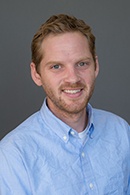
Professor, Counseling Psychology
Training Background: PhD in Counseling Psychology, University of Wisconsin - Madison, 2015
Clinical interests: My clinical interests include individual and group psychotherapy and psychotherapy training and supervision. As a therapist, I work from an interpersonal dynamic approach to help clients strengthen and maintain the relationships in their lives. I strive to create strong, trusting, and genuine relationships with my clients and provide support and challenge within the therapeutic relationship to help clients realize their treatment goals and live more fulfilling lives.
Multicultural interests: As a therapist, I ascribe to the Multicultural Orientation (MCO) Framework to attend to clients’ salient cultural identities and experiences within the therapeutic relationship.
Meet Our Counselors and Staff
Alexis Lopez
Alexis is a second-year doctoral student and trainee in the Counseling Psychology Ph.D. program at the University of Iowa. Alexis strives to create a safe, collaborative, and culturally sensitive space where each individual feels heard, seen, and respected. Alexis is most influenced by Adlerian, while also integrating existential-humanistic, and family and systems approaches to therapy. Alexis is interested in how a person’s relationships, life experiences, values, and environment shape the way they see themselves and move through the world. Alexis believes that therapy works the best when people feel comfortable being themselves and know that their experiences will be approached with curiosity, compassion, and without judgment.
Mololuwa Akinloye
Mololuwa is a second-year doctoral student and trainee in the Counseling Psychology Ph.D. program at the University of Iowa. In therapy, she hopes to create a space where clients can show up as they are, feel understood, and be honest about the parts of life that may feel messy, uncertain, or difficult to put into words. She values warmth, curiosity, and listening without judgment, while also recognizing that growth can sometimes involve being gently challenged. Mololuwa is particularly drawn to Acceptance and Commitment Therapy (ACT) and its emphasis on psychological flexibility and helping people move toward lives that reflect what matters to them. She believes people have the capacity for growth and approaches each client with an appreciation for the cultural, relational, and life experiences that have shaped who they are.
Alex Chavez
Alex is a second-year doctoral student and trainee in the Counseling Psychology PhD program at the University of Iowa. His clinical interests include anxiety, interpersonal difficulties, life transitions, identity shifts, as well as career and vocational concerns. Alex approaches therapy with a person-centered orientation, believing that every client already has the capacity to grow, heal, and create lasting change. He sees his role as meeting clients where they are and offering the support and space needed to access that capacity. Alex strives to create a warm, nonjudgmental space where clients can feel safe exploring their thoughts and feelings. He hopes to help clients live full and meaningful lives that feel values-aligned and grounded in their authentic selves.
Megan Prass
Megan is a fifth-year doctoral candidate in the Counseling Psychology Ph.D. program at the University of Iowa and is one of the clinic coordinators at the TPTC. She practices from a Time-Limited Dynamic Psychotherapy (TLDP) lens, focusing on how recurring relational patterns show up both in clients' outside lives and within the therapy relationship itself. Megan believes that by understanding and working through these patterns together in session, clients can gain insight and create new, healthier ways of relating to themselves and others.
Jennie Spencer
Jennie is a fourth-year doctoral student in the Counseling Psychology Ph.D. program at the University of Iowa and one of the TPTC's clinic coordinators. This is Jennie's third year training at the TPTC. As a clinician, Jennie is most influenced by psychodynamic and existential-humanistic approaches to therapy and tries to create a safe relationship where it is possible to listen together to any aspect of your experience without judgment. Jennie is interested in psychotherapy with people navigating a range of personal and developmental challenges, including experiences of severe and persistent mental illness. Jennie works in both English and Spanish and believes high-quality, culturally-sensitive psychotherapy should be accessible to everyone.
Luis Ybarra
Luis is a fifth-year doctoral candidate in the Counseling Psychology Ph.D. program at the University of Iowa and is one of the clinic coordinators at the TPTC. His primary approach is existential-humanistic and is also influenced by psychodynamic and cognitive behavioral theories. His goal is to create a safe space to help clients live their lives as authentically as possible to understand how they make meaning out of their lives. He believes every client has a right to culturally responsible and accessible services.
Project HOPE
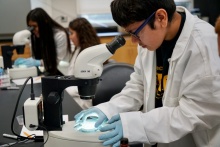
Project HOPE (Healthcare Occupations Preparation and Exploration) is a STEM-based curricular intervention that integrates academic and vocational opportunities designed to connect minority and low socioeconomic middle school students to the health science professions early in their education. HOPE addresses the critical national need to increase diversity in the American healthcare workforce.
Associated Grants
Behavioral Health Workforce Education and Training (HRSA)
The Iowa Health Resources and Services Administration (HRSA) Behavioral Health Workforce Education and Training (BHWET) program is intended to train future psychologists to treat the complex mental and behavioral health needs of Iowa and the nation’s rural populations. The Integrating Behavioral Health into Rural Medicine project supplements and complements ongoing Counseling Psychology training efforts and provides new field experiences and practicum opportunities for CP doctoral students to provide mental and behavioral health care to underserved populations living in rural areas.
Graduate Psychology Education
The Iowa Health Resources and Services Administration (HRSA) Graduate Psychology Education (GPE) program is intended to train future psychologists in the Counseling Psychology (CP) program to develop and implement a sustainable training program in telepsychology for opioid use disorder (OUD) and substance use disorder (SUD) prevention and treatment in rural Iowa.