
In an effort to provide students with the foundational knowledge needed to support individuals struggling with addiction and co-occurring mental health challenges, the University of Iowa College of Education is now offering a Certificate in Integrated Career, Substance Use, and Mental Health Counseling.
Housed in the college’s Department of Counselor Education, which also contains the 4th ranked Clinical Rehabilitation Counseling program, this new graduate certificate program offers learning opportunities that meet the educational requirements for addiction counseling certification.
Through the Certificate in Integrated Career, Substance Use, and Mental Health Counseling, students will learn to identify co-occurring disorders and evaluate their impact on work and personal life. Additionally, students will learn to assess career, mental health, and addiction-related needs simultaneously, using tools that are appropriate to their level of preparation.
Erin Barnes, a clinical associate professor in the college’s Rehabilitation Counseling program, will coordinate the certificate.
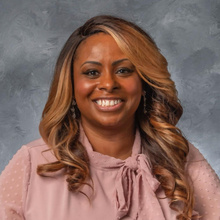
“As rehabilitation counselors, we are committed to supporting people with complex needs. This certificate offers foundational knowledge to understand the complexity of co-occurring substance use and mental health disorders, and how these conditions affect functioning at work, at home, and in the community,” says Barnes.
Additional College of Education faculty who will be administering the program include Allison Levine, assistant professor of rehabilitation counseling; Noel Estrada Hernandez, professor of rehabilitation counseling; and Randall Boen, clinical assistant professor of rehabilitation counseling. Clinicians with expertise in the fields of addiction and mental health counseling will also teach courses within the program.
Applied Microcounseling, one of the certificate’s four courses, builds ethical, culturally responsive interpersonal skills and introduces assessment and treatment planning concepts.
Additional curriculum includes a diagnosis course that focuses on recognizing symptoms of mental health, substance use, and co-occurring disorders, as well as understanding evidence-based treatment approaches. A workplace supports course examines accommodations, policies, resources, and interventions that help individuals stay employed and remain connected to their communities. And lastly, an integrated psychopharmacology course provides a basic understanding of how prescribed medications and other substances influence symptoms and daily functioning.
“While the certificate alone does not provide licensure or independent clinical authority, it does significantly strengthen a student’s ability to conceptualize what may be occurring and connect individuals to appropriate supports,” says Barnes. “For those who wish to continue their training and earn practice-based credentials, the certificate also serves as a steppingstone toward certification as an alcohol and drug counselor through the Iowa Board of Certification, or possibly additional graduate-level education.”
In addition to integrating strategies and techniques that improve readiness for change, students will explore leading-edge resources such as generative AI and other deliberate practice tools to evaluate the ways technology can be used ethically and responsibly to assess, diagnose, and treat co-occurring mental health, and substance use problems.
“This certificate program offers foundational knowledge to help mental health providers prepare to work with individuals struggling with addiction and related mental health challenges,” notes College of Education Dean Dan Clay. “In the United States, there is an urgent call for more mental health professionals, and we firmly believe this certificate will help offer additional support by filling an important need in our society.”